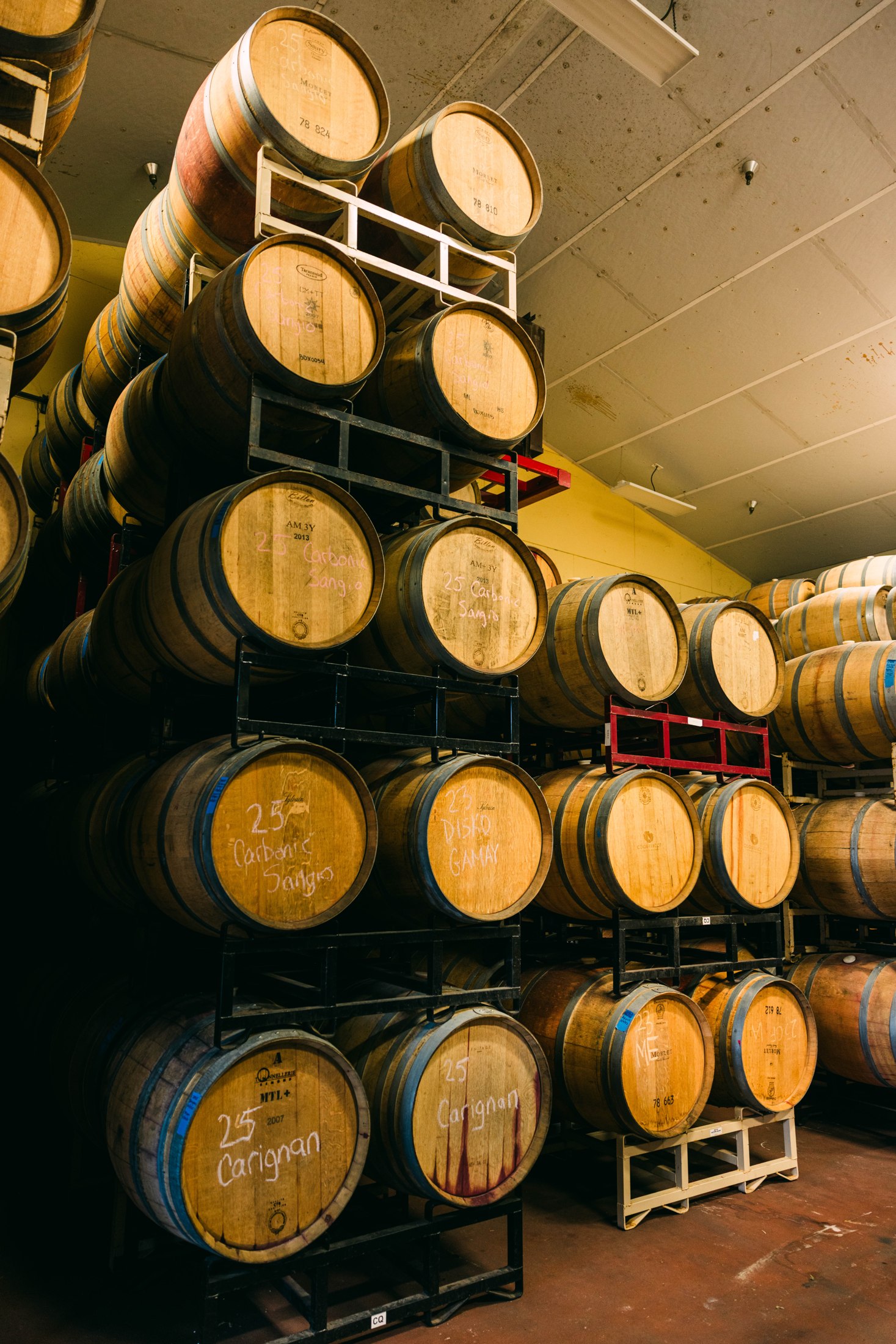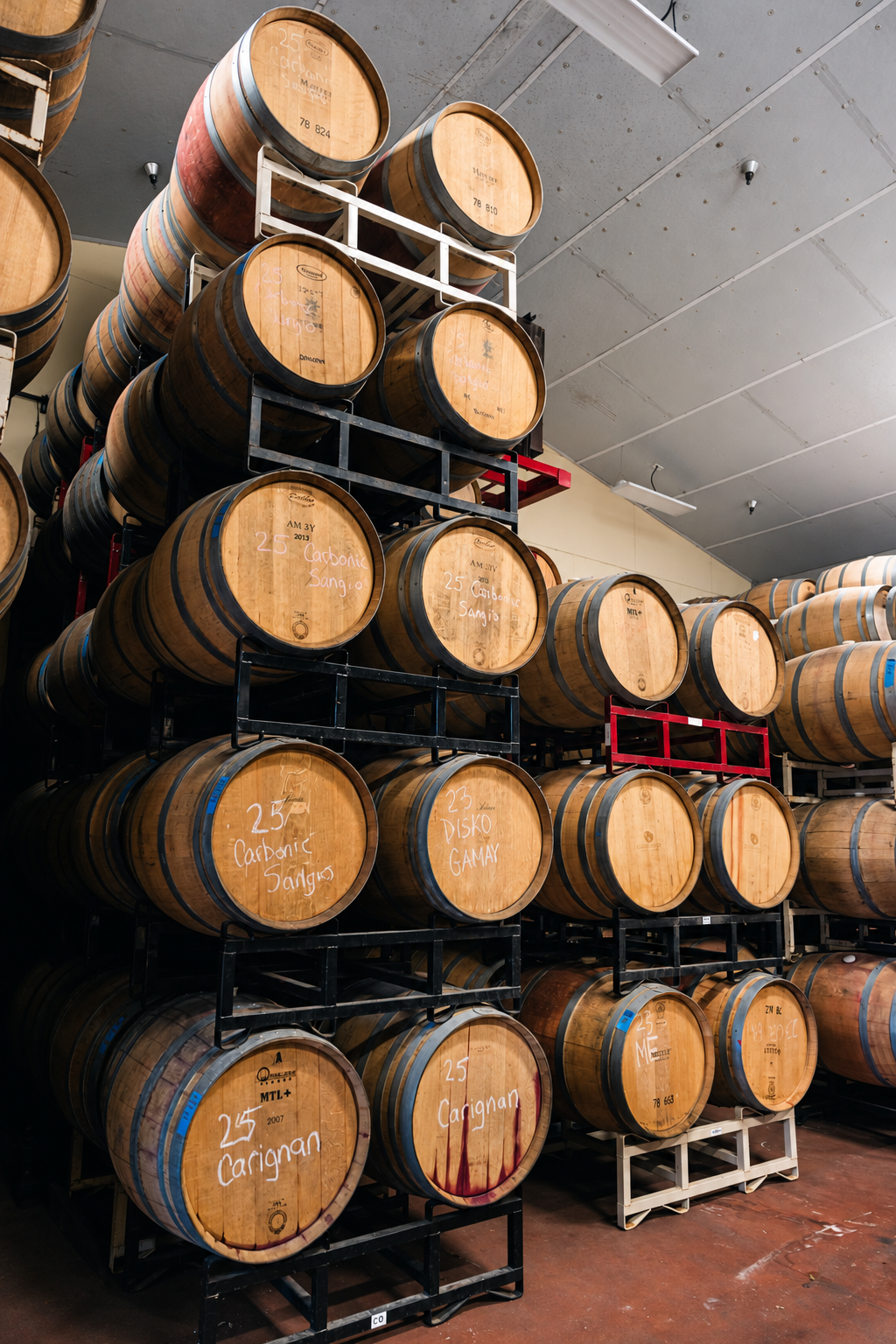
Neutral French oak
Gentle oxygen exchange and texture, with the fruit staying in focus.
Before Coquelicot, there was a boy growing up in France, a family beginning again in America, and a restaurant waiting to be brought back to life.
Wine came later. The instinct to care for people was there from the start.
Bernie was born in 1946 to Polish parents who had survived the Holocaust. The family moved to Paris while he was still a baby. In 1956, at ten years old, he crossed the Atlantic with them aboard the Queen Mary and arrived in New York.
France stayed with him. So did the experience of beginning again. He put himself through school, moved west to California, and found his way into senior care.
Helping turn around a struggling nursing home became the beginning of a career. Bernie went on to own and operate assisted-living communities across California and Nevada. His work was practical and personal: create a place where people could feel safe, respected, and cared for.
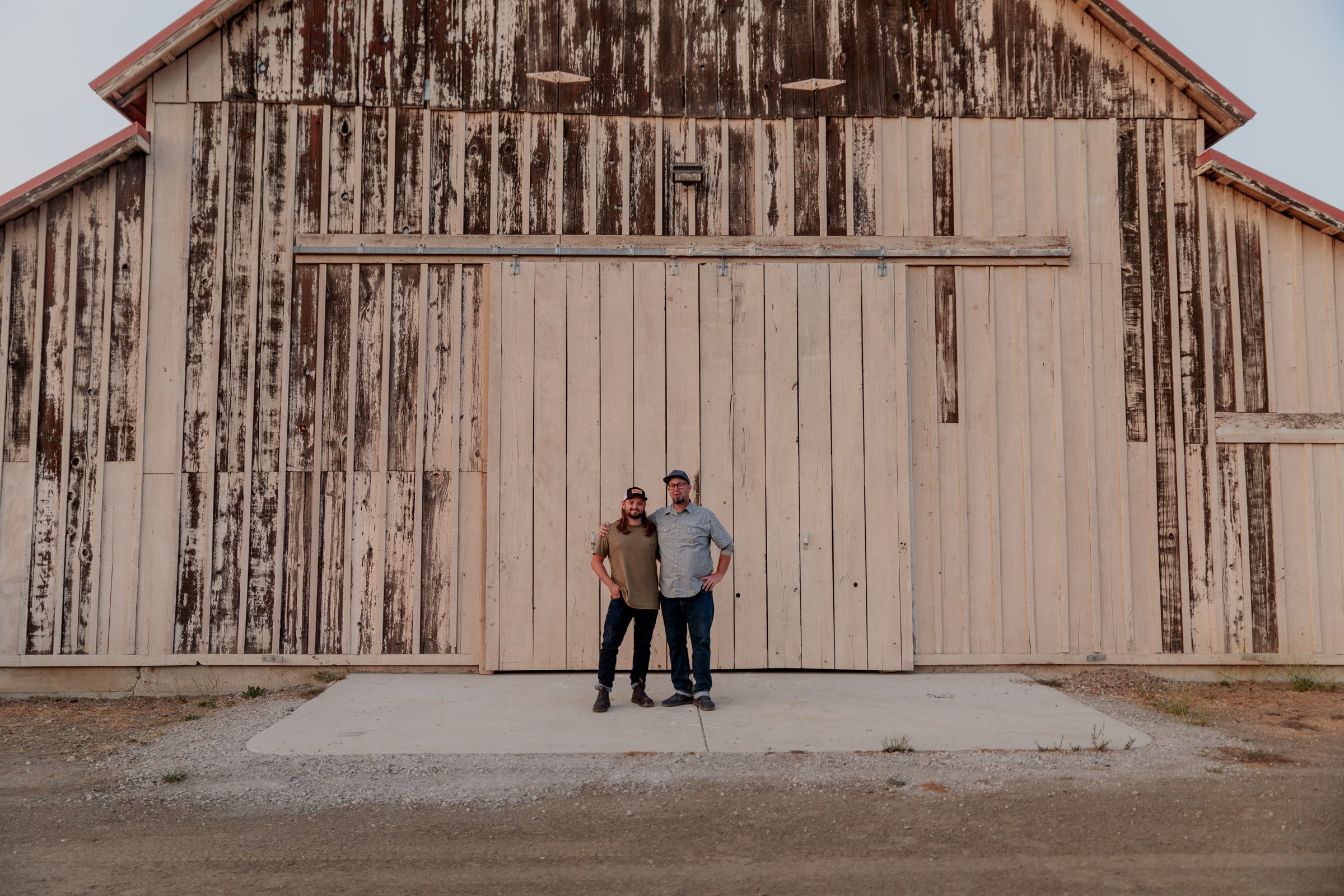
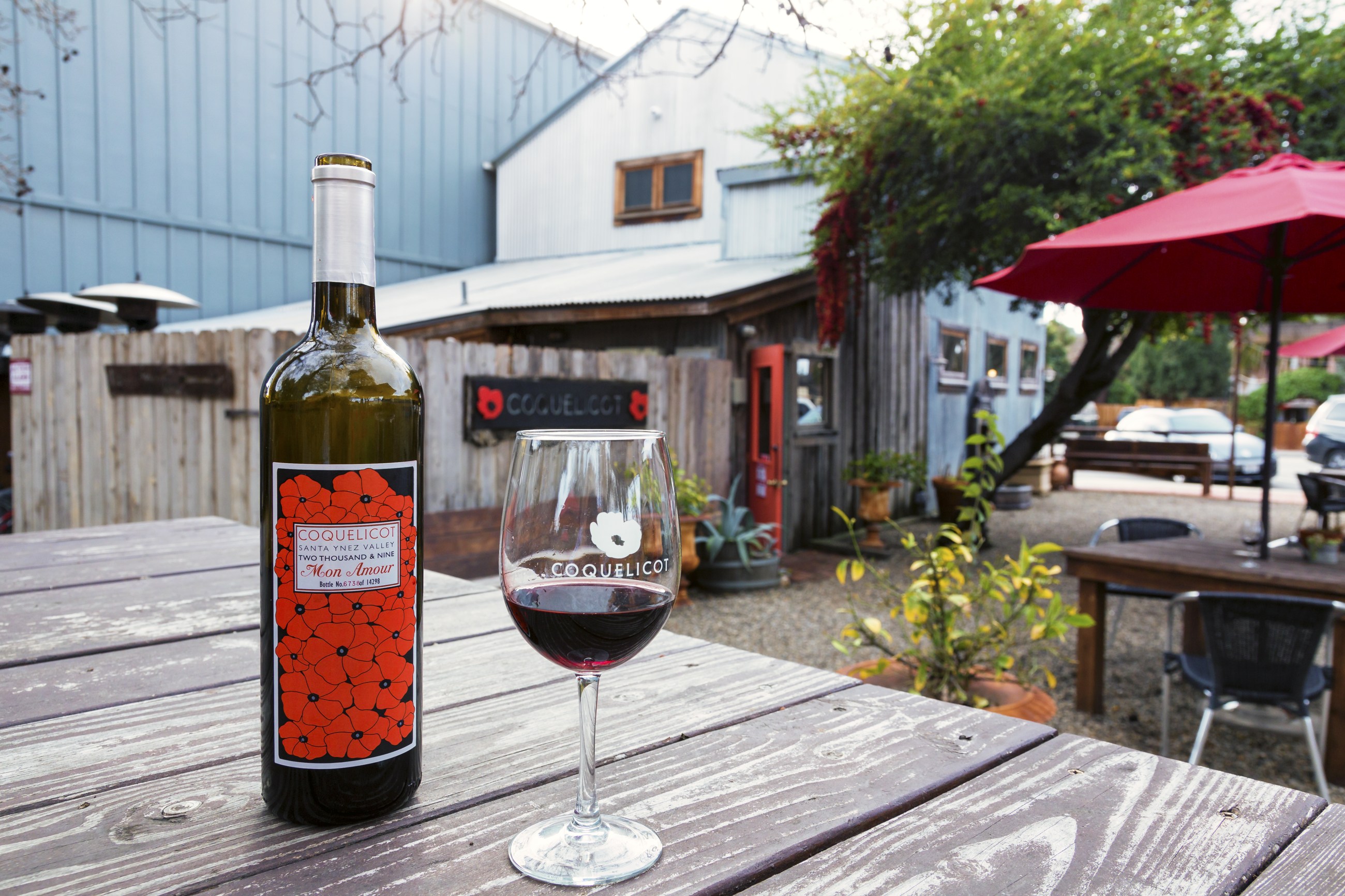
Coquelicot is the French word for the red poppy. Bernie remembered the flower from his childhood in France and chose it as the name for the estate.
That small red mark carries a piece of his life into every bottle. Say it ko-klee-ko. We’re always happy to help with the pronunciation.
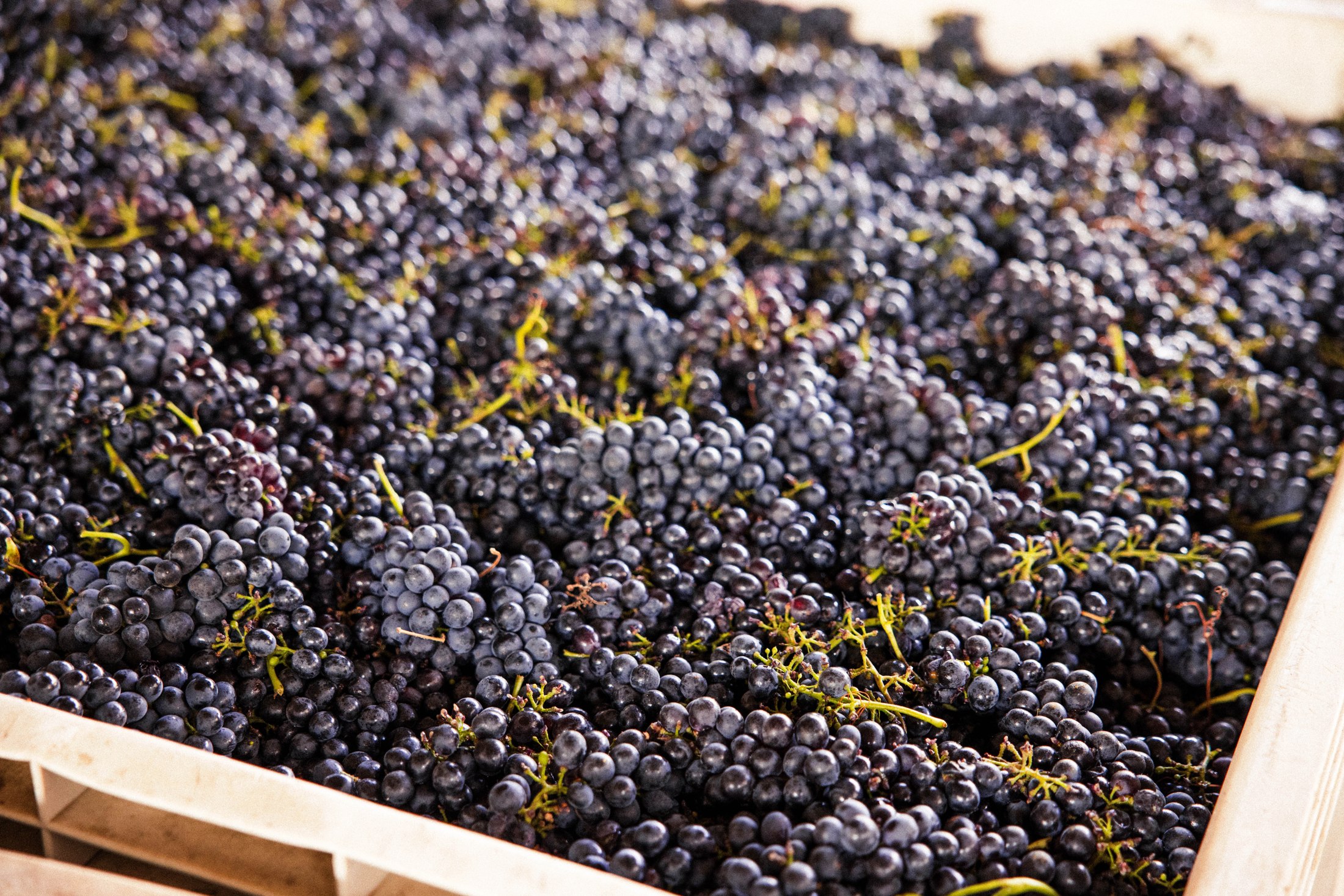
One of Bernie’s properties was The Breakers, a former hotel in Long Beach. At the top sat an abandoned restaurant, The Sky Room. Bernie saw a room worth reopening.
Restoring it led him deeper into food and wine. He began collecting bottles, studying, tasting, and sharing what he found. Curiosity became a serious interest, then something the family could build around.
After college, Jonathan joined his father at The Sky Room and later at Wine Cask in Santa Barbara. Bernie encouraged him to study wine formally, and Jonathan earned his sommelier certification. Wine became a shared interest and a new direction for the family’s work.
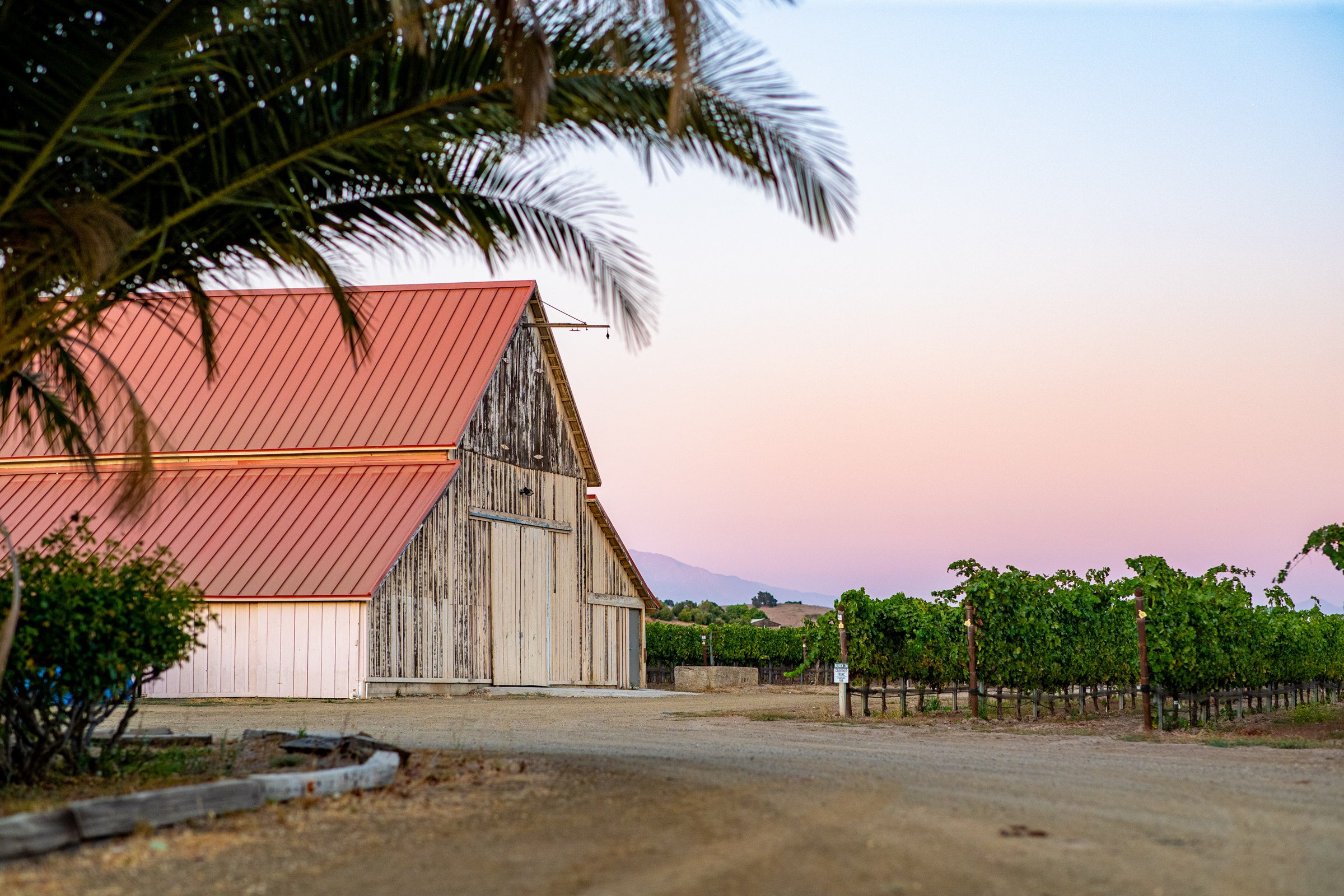
In 2005, our family purchased Mission Estates in the Santa Ynez Valley. It became Coquelicot Estate, and our first vintage followed in 2006.
Years in restaurants and hotels had taught us to think about the whole experience: the food, the bottle, the welcome, and the way people feel when they leave. At Coquelicot, we could follow that work all the way back to the soil.
Bernie passed away in 2019. Today, Jonathan, his mother, his two sisters, and the next generation carry the family story forward. Each brings a different perspective. Curiosity, generosity, hard work, and hospitality remain at the center.
We want our wine to have a place in the life you’re already living.
A celebration, a dinner with friends, or an ordinary Tuesday. Wines made with care, priced to be opened and enjoyed.
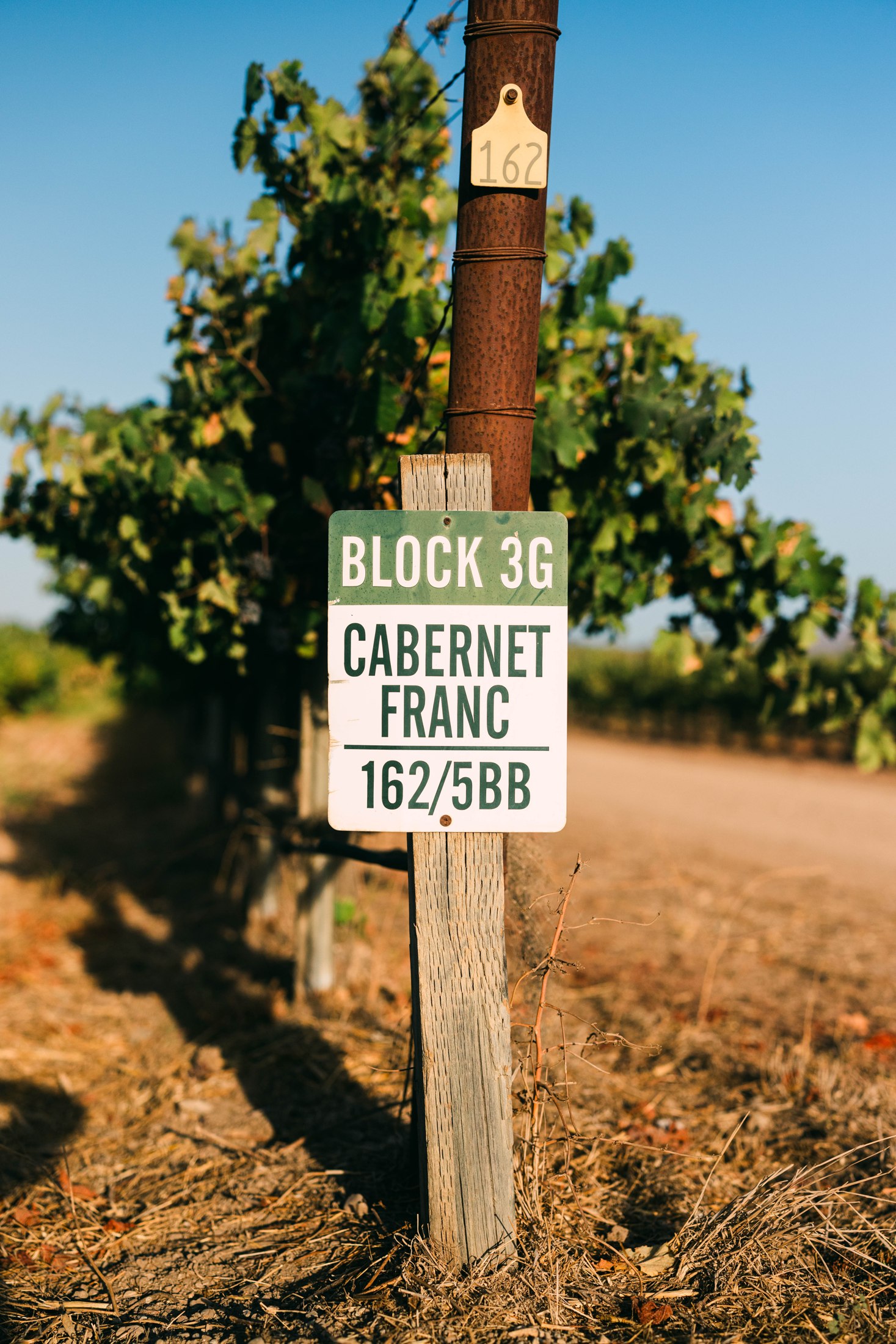
Our estate lies just south of Mission Santa Inés, on the eastern edge of Solvang, in the Los Olivos District. Of its 98 acres, 58 are planted to vines.
The valley opens toward the Pacific between east-to-west mountain ranges. Ocean air and fog meet warm California days, creating different growing conditions across a relatively short distance. At our site, afternoon breezes help temper the warmth and extend the growing season.
Underfoot, gravelly fine sandy loam sits on an alluvial fan. Above it, each block responds differently to the weather, the soil, and the season. Paying attention to those differences is part of the work.
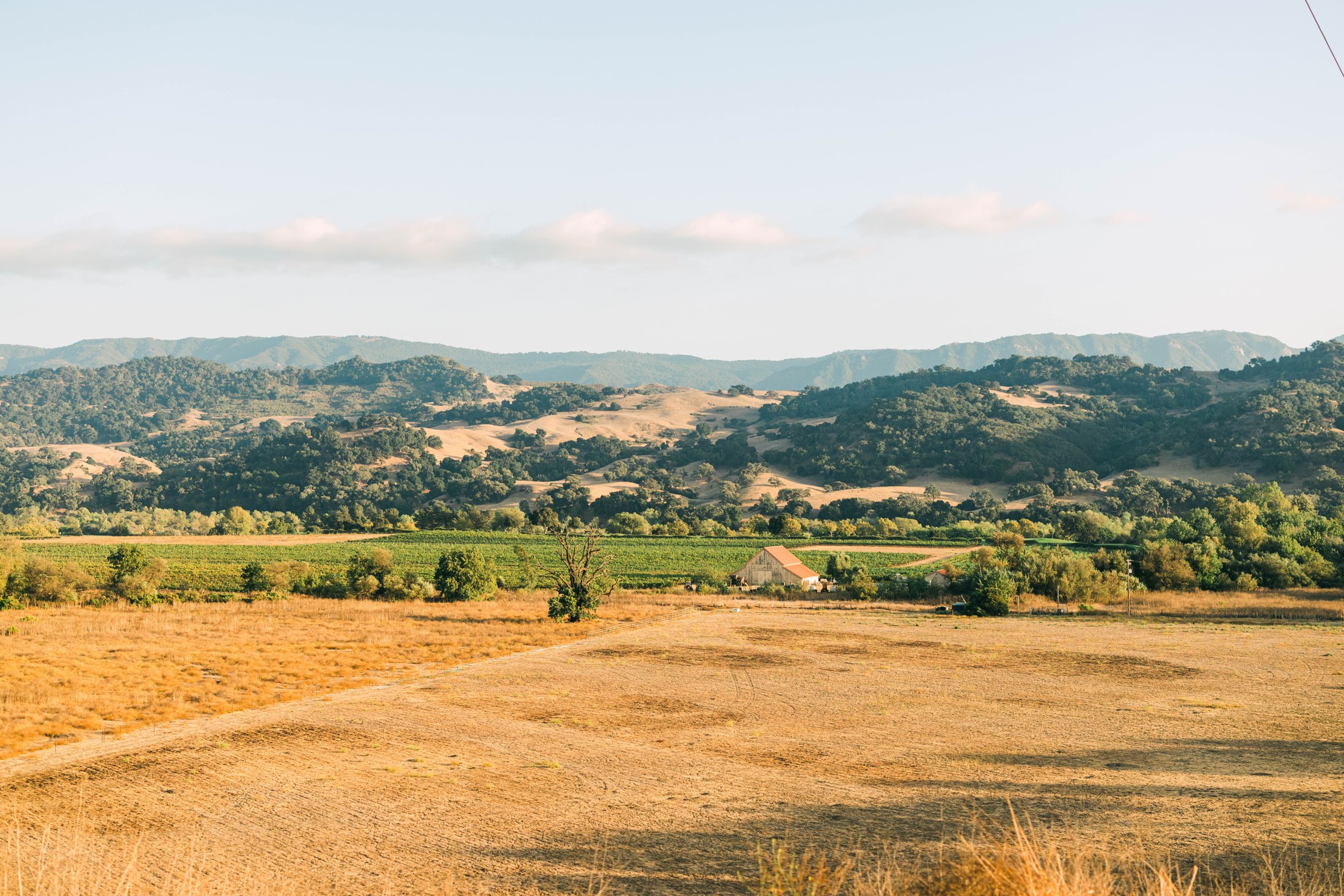
Sauvignon Blanc, Chardonnay, Gruner Veltliner, Chenin Blanc, Riesling, Cabernet Sauvignon, Merlot, Cabernet Franc, Malbec, Carignan, Syrah, and Sangiovese. This range lets us explore what the vineyard can express, from a familiar variety to something you may be tasting for the first time.
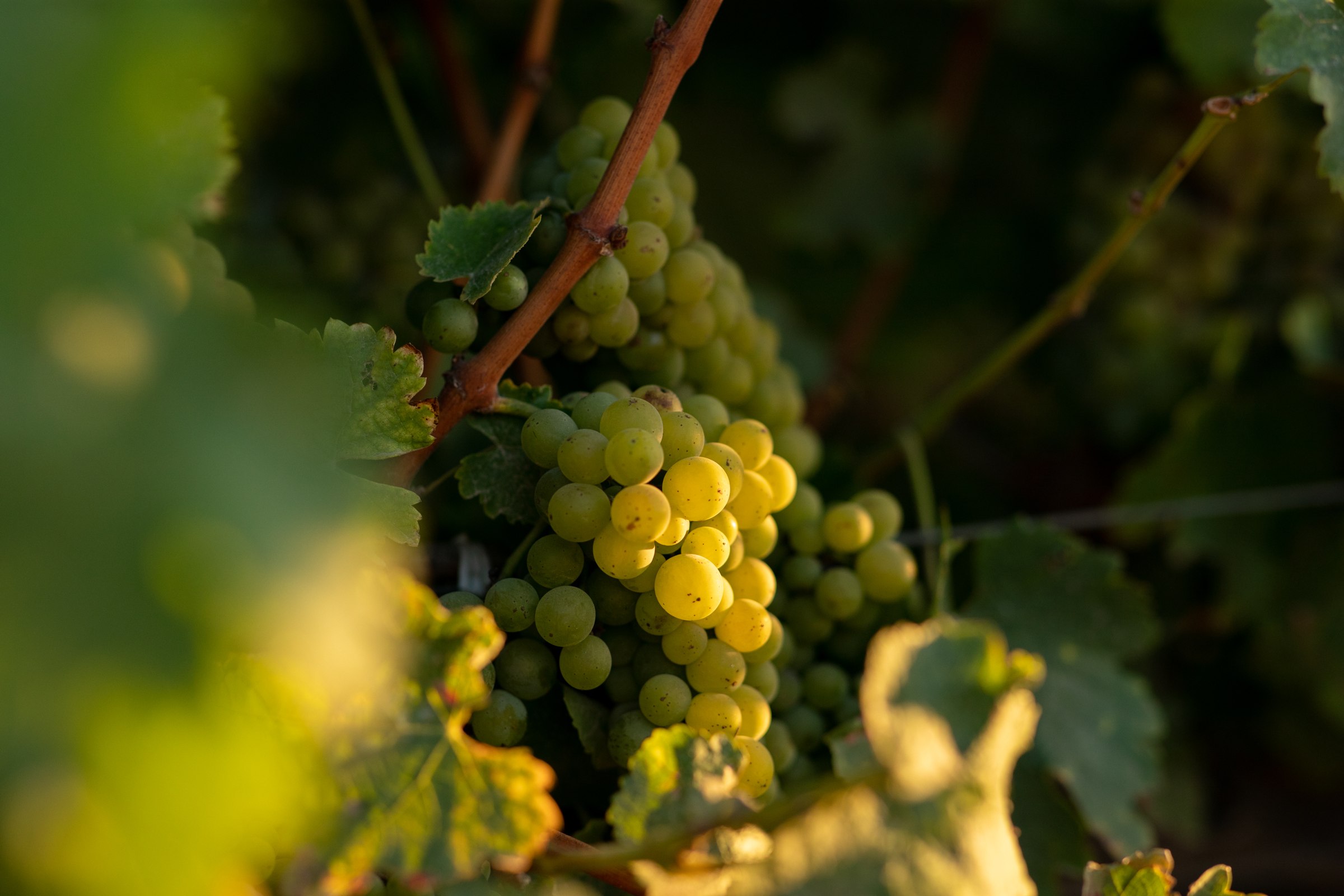
We began introducing organic farming practices in 2007 and received CCOF organic certification in 2015. That commitment starts with the vineyard floor, long before there is fruit to pick.
Cover crops help protect and nourish the soil. Grasses, legumes, and mustard bring variety between the rows and provide habitat for beneficial insects. A living vineyard gives us more to observe and more to work with.
Organic farming asks for patience and close attention. We watch the vines, the weather, and the life around them, making decisions throughout the season instead of treating every year as the same recipe.
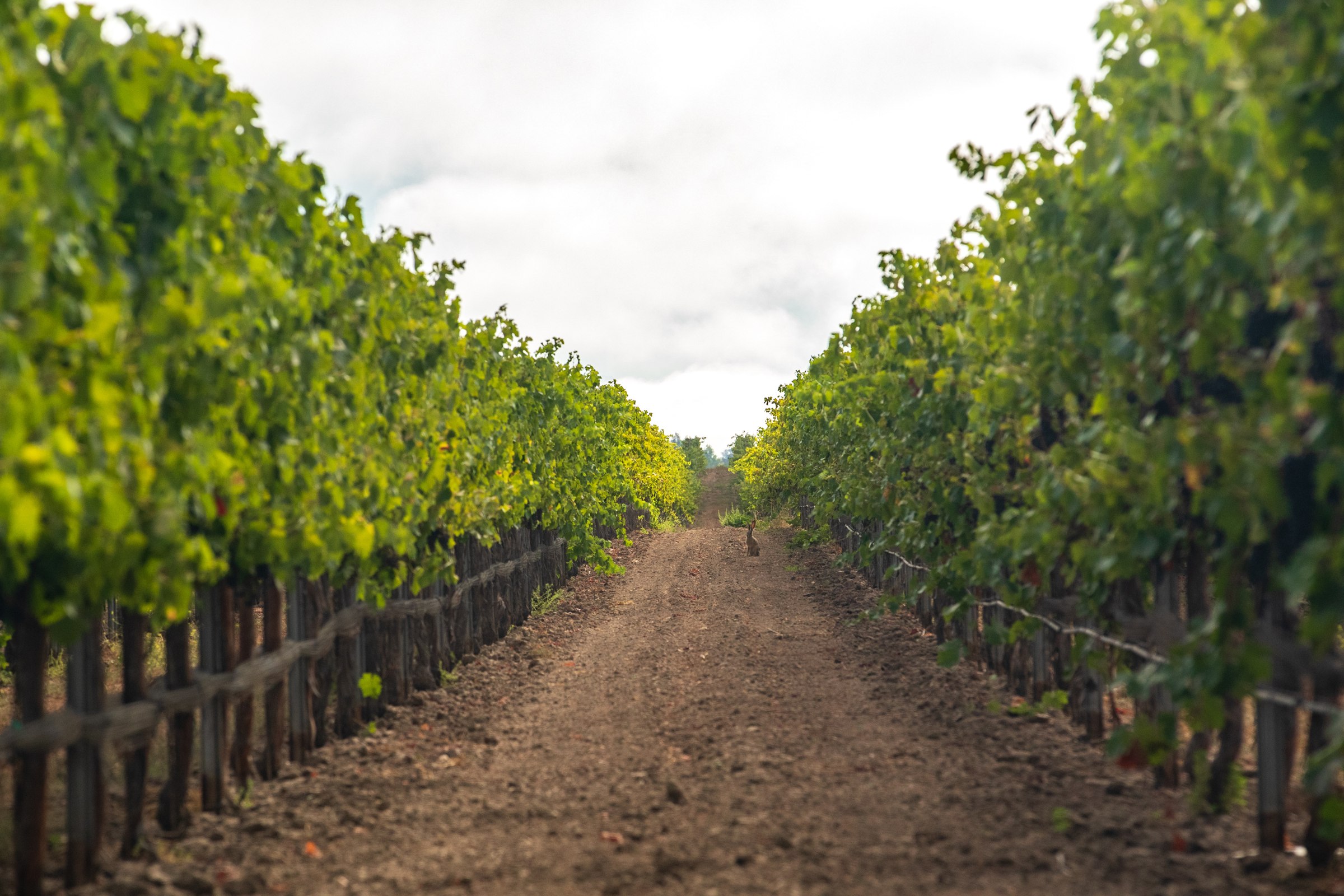
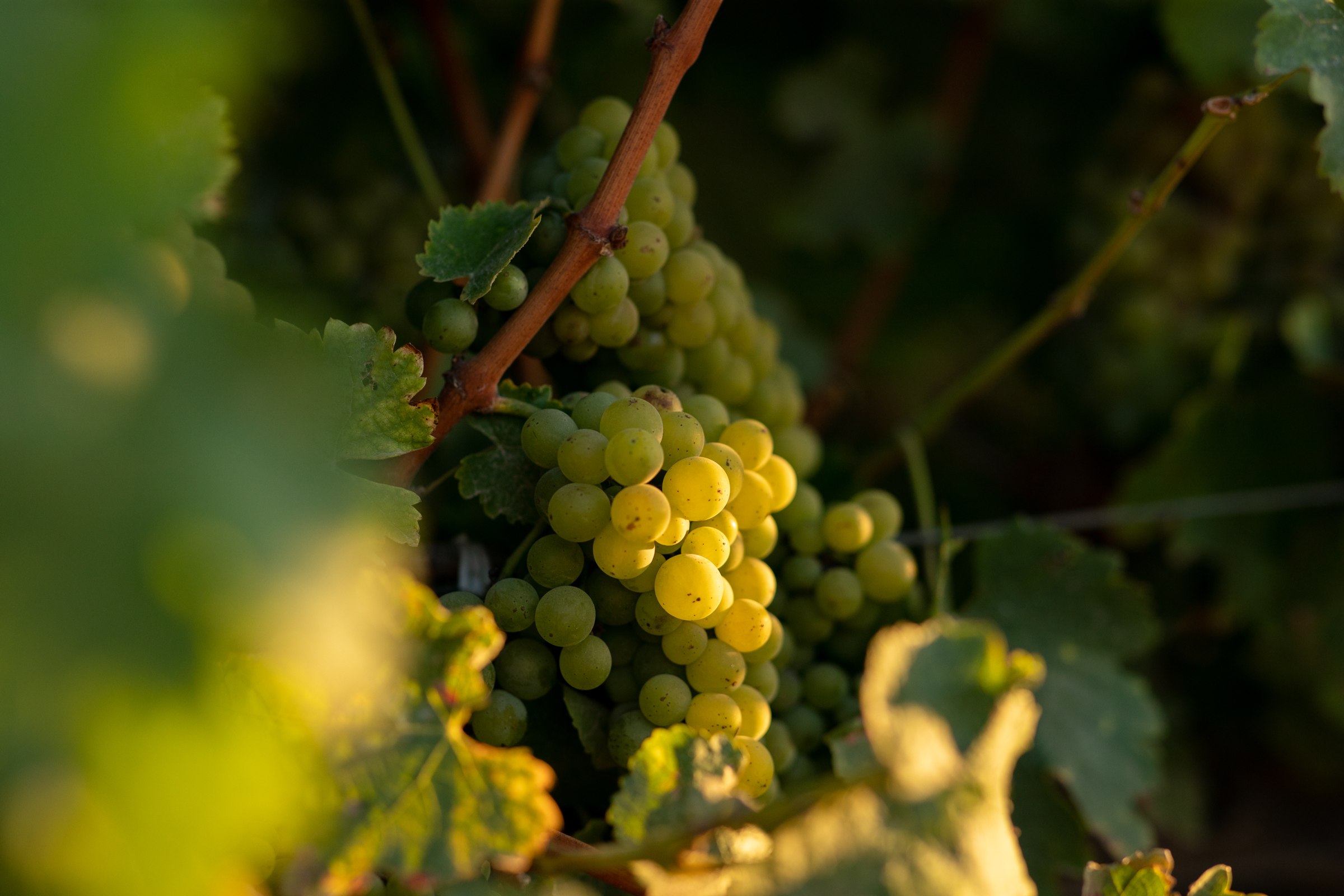
Fruit with freshness, flavor, acidity, and structure already in balance gives the winemakers more choices. The aim is to preserve what the vineyard gives us, rather than build it from scratch later.
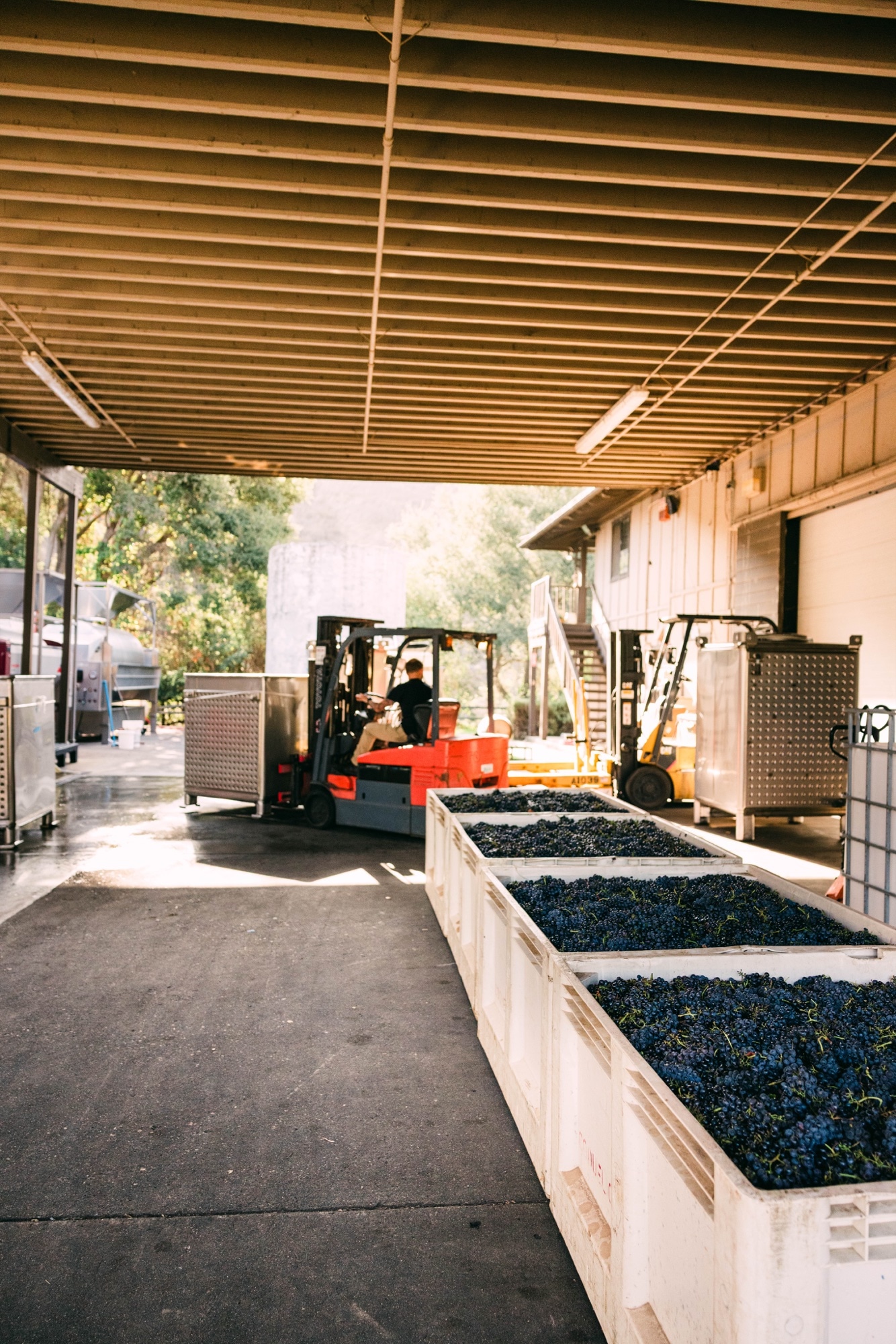
We follow the fruit. Flavor, texture, pH, and acidity all matter when deciding when to harvest. We look for the point where California’s ripe fruit still has freshness and energy.
In the cellar, fermentations begin with native yeast. Sulfur is used sparingly when needed to protect the wine. Restraint requires attention: if a wine needs racking or another careful adjustment, the team responds.
The purpose is a clear expression of variety and vintage. Natural in spirit, with the precision to make a wine we’re proud to pour.
Gentle oxygen exchange and texture, with the fruit staying in focus.
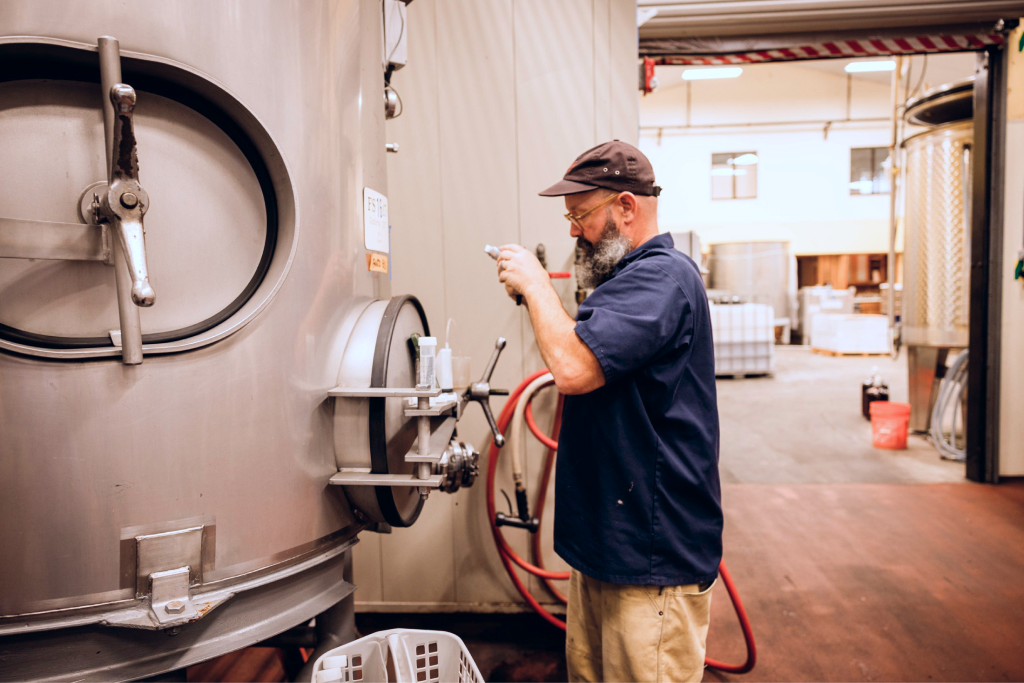
A vessel chosen to preserve freshness and the wine’s direct expression.
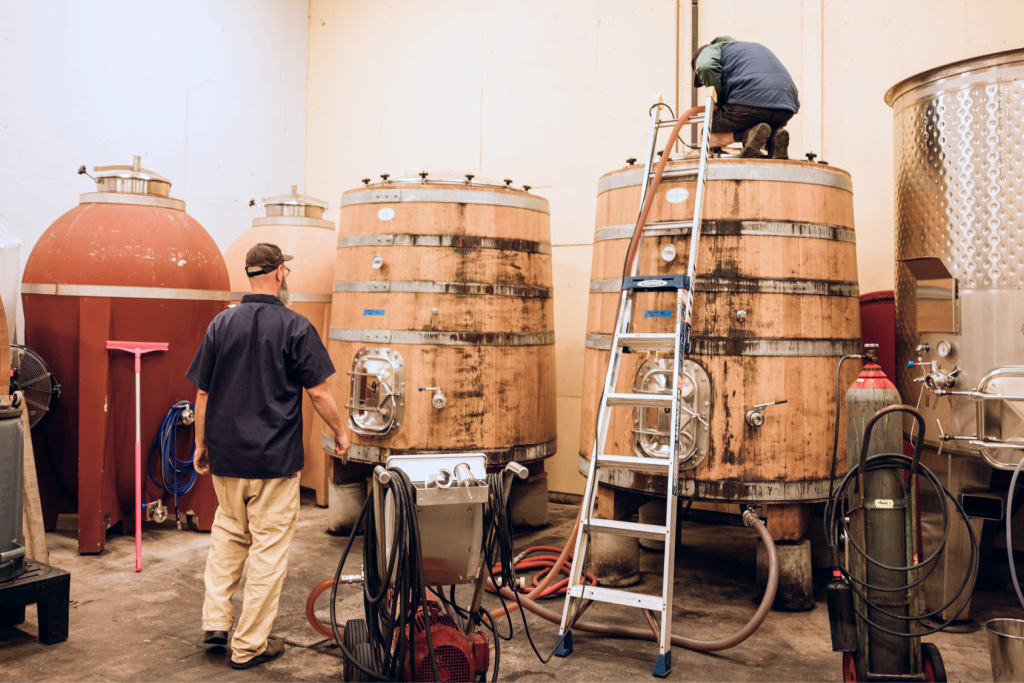
Another way for a wine to develop, without introducing oak flavor.
A different season.
Something new to
pay attention to.
We leave room for vintages to differ. That variation is part of what makes returning to a wine interesting.
Winemaker & viticulturist
Michael’s path began in New Jersey, took him through North Carolina, and brought him west to California. He worked in Napa alongside Nils Venge and Mike Grgich and studied winemaking at Fresno State.
At Grgich Hills, the connection between farming, freshness, and restraint took hold. Work at Demetria and Martian Ranch brought him to Santa Barbara County; he later co-founded Lo-Fi Wines.
At Coquelicot, Michael connects vineyard decisions with cellar work. Native fermentations, neutral vessels, and a close reading of the fruit give him room to preserve the character of the place.
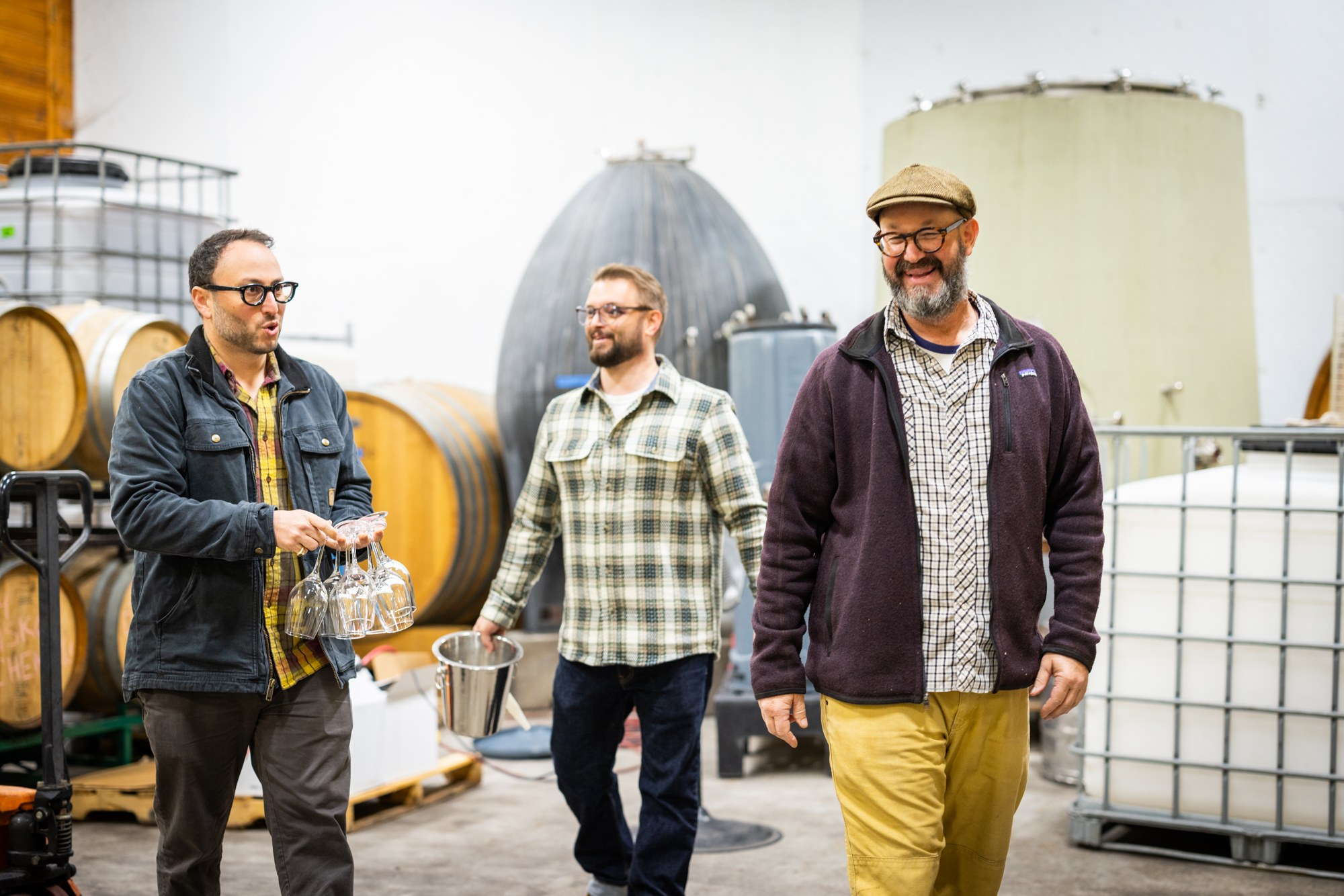
Assistant winemaker
Sean came west for his first harvest at 18, working with his uncle Michael at Demetria Estate. After college and several years in restaurants, he returned to Santa Barbara County in 2015 and committed to winemaking full-time.
He worked his way through the Coquelicot cellar and spent a harvest in New Zealand. Alongside his work here, his own project, Disko Wines, gives him another place to explore organically farmed fruit and minimal-intervention winemaking.
Michael and Sean share a family connection, years of experience, and an appetite for trying things. Their conversation continues from the vineyard to the cellar, and into the next vintage.
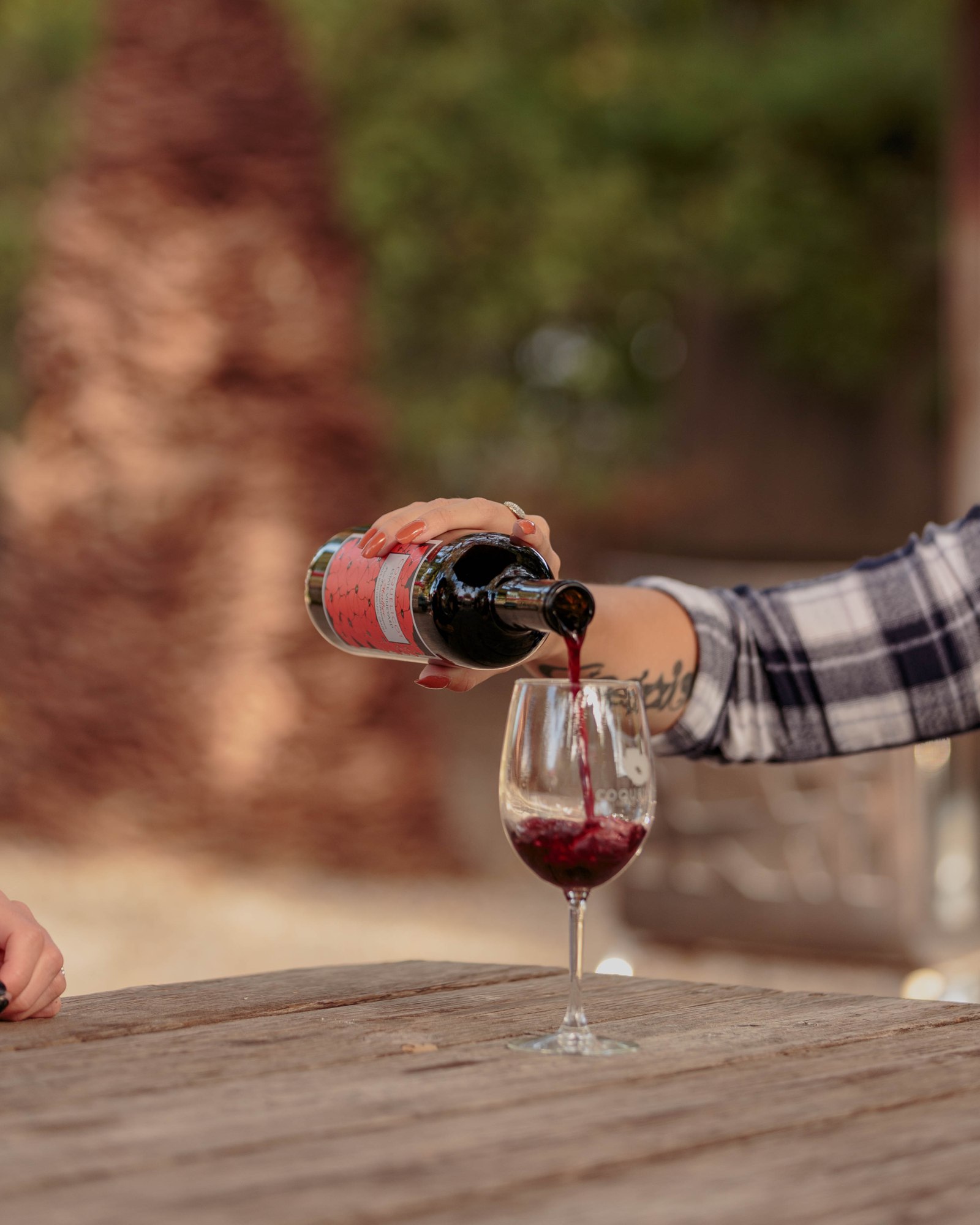
Our Los Olivos tasting room is where this work becomes a conversation. Ask about a grape you haven’t tried, taste the difference between vintages, or tell us what you like to drink.
You don’t need the right vocabulary. We’d like to hear what you think.